

Construction and renovation projects can transform a property, making it more attractive, functional, and comfortable. However, once the builders leave, a new challenge often appears: dust. Fine construction dust can settle on floors, walls, ceilings, windows, furniture, air vents, and other surfaces. Even when the property looks clean at first glance, tiny particles may remain hidden in difficult-to-reach areas. Removing this dust requires more than ordinary sweeping and wiping.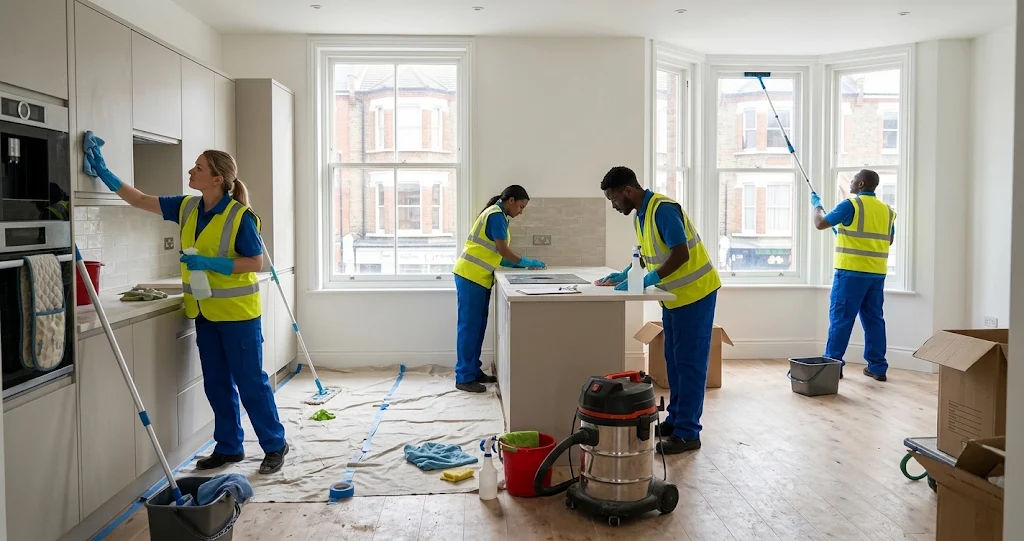
Post construction cleaning is an important part of preparing a newly built or renovated property for occupancy. It focuses on removing construction debris, leftover materials, stubborn dirt, and fine dust that accumulates during building work. Professional cleaners use specialized equipment, suitable cleaning products, and systematic techniques to address areas that regular household cleaning might miss.
Fine dust can be particularly difficult to remove because its particles are extremely small and lightweight. They can remain suspended in the air, settle repeatedly, and spread throughout a property when disturbed. This raises an important question: can professional cleaning completely remove fine construction dust?
The answer is yes, professional cleaning can remove a substantial amount of fine construction dust and significantly improve indoor cleanliness. However, achieving a consistently clean environment requires the right equipment, careful techniques, and sometimes multiple cleaning sessions.
Understanding how this process works can help homeowners, property managers, and business owners prepare their spaces properly after construction.
Fine Dust After Construction
Fine dust is one of the most common problems following construction and renovation activities. It develops during cutting, drilling, sanding, plastering, grinding, and other building processes.
Unlike larger pieces of construction debris, fine dust consists of tiny particles that can travel through the air and settle across different surfaces.
What Causes Fine Construction Dust?
Several construction activities produce fine dust.
Some common sources include:
-
Cutting wood, tiles, concrete, and stone.
-
Sanding plasterboard and wooden surfaces.
-
Drilling into walls and ceilings.
-
Grinding concrete and masonry.
-
Removing old paint and plaster.
-
Mixing cement, grout, and other building materials.
-
Installing flooring and wall coverings.
These activities release particles that spread throughout the working environment.
Even when contractors use protective sheets or temporary barriers, dust can travel through doorways, ventilation systems, and small openings.
Why Is Fine Dust Difficult to Remove?
Fine dust is challenging because it does not behave like ordinary household dirt.
Larger particles usually fall quickly onto the floor, making them relatively easy to collect. Fine particles can remain airborne for extended periods before settling.
They can also accumulate in narrow gaps, behind appliances, inside cabinets, and around electrical fittings.
Another difficulty is that dry sweeping may push particles back into the air rather than removing them.
This is why specialized cleaning methods are important after construction work.
Can Professional Cleaning Remove Fine Dust Completely?
Professional cleaning can remove most accessible fine construction dust when the correct procedures are followed.
However, complete removal from every hidden space cannot always be guaranteed in a single session. Some particles may remain inside ventilation systems, behind fixed installations, or within areas that are difficult to access.
A thorough cleaning process focuses on reducing dust throughout the property rather than simply making visible surfaces appear clean.
Removing Dust From Visible Surfaces
Professional cleaners begin by identifying surfaces where dust has accumulated.
These commonly include:
-
Floors and skirting boards.
-
Window frames and glass.
-
Countertops and work surfaces.
-
Doors and doorframes.
-
Shelves and cabinets.
-
Walls and ceilings.
-
Light fittings and switches.
Microfiber cloths and suitable cleaning solutions help collect particles without spreading them unnecessarily.
post construction cleaning work systematically from higher surfaces toward lower areas so that falling dust can be removed during subsequent cleaning stages.
Addressing Hidden Dust
Fine dust frequently collects in places that homeowners may overlook.
These include corners, cupboard interiors, window tracks, hinges, door frames, and spaces beneath furniture.
Professional cleaners inspect these areas carefully because hidden dust can become noticeable again after the property is occupied.
A detailed cleaning approach helps reduce the chances of dust reappearing shortly after the initial service.
Equipment Used to Remove Fine Construction Dust
The equipment used during cleaning has a significant effect on the final result.
Ordinary household cleaning tools may not be sufficient for collecting very fine construction particles. Professional equipment is designed to capture dust more effectively and prevent unnecessary redistribution.
HEPA Filter Vacuums
High-Efficiency Particulate Air (HEPA) filtration is particularly useful when removing fine dust.
A properly sealed vacuum cleaner with an appropriate HEPA filtration system can capture very small airborne particles rather than allowing them to escape through the exhaust.
Professional cleaners often use these machines on:
-
Carpets and rugs.
-
Hard floors.
-
Upholstered furniture.
-
Window tracks.
-
Corners and edges.
-
Accessible ventilation grilles.
The vacuum should be suitable for the type of dust being collected. Ordinary domestic vacuums may release fine particles back into the environment if their filtration system is inadequate.
For hazardous materials such as silica or asbestos, specialized regulatory controls and equipment are necessary. A standard HEPA household vacuum is not a substitute for professional hazardous-material procedures.
Microfiber Cleaning Materials
Microfiber cloths are another important tool.
Their fine fibres help capture and hold dust instead of simply pushing it across a surface.
They are particularly useful for cleaning glass, polished furniture, countertops, cabinets, and other smooth materials.
Using clean cloths for different areas also helps prevent cross-contamination.
Damp Cleaning Equipment
Damp cleaning is effective for surfaces that can safely tolerate moisture.
Slightly damp microfiber cloths and suitable mops collect remaining particles without creating unnecessary airborne dust.
However, cleaners must avoid excessive water because certain materials, including untreated wood and some flooring products, can become damaged.
The Step-by-Step Process of Removing Fine Dust
A structured cleaning process helps ensure that different parts of a property receive appropriate attention.
Professional teams generally follow a sequence that reduces the possibility of dust spreading from one area to another.
Step 1: Inspect the Property
The first stage involves assessing the property and identifying the amount of dust present.
Cleaners examine floors, walls, windows, fixtures, cabinets, and other accessible surfaces.
They also identify areas requiring special treatment, such as delicate flooring, newly installed appliances, and sensitive finishes.
This assessment helps determine the equipment, cleaning products, and time required.
Step 2: Remove Large Construction Debris
Before fine dust removal begins, larger debris must be collected.
This includes packaging materials, leftover building supplies, wood pieces, tile fragments, and other waste.
Removing larger materials makes it easier to access surfaces and reduces the risk of spreading debris during detailed cleaning.
Waste should be handled and disposed of according to applicable local requirements.
Step 3: Clean High-Level Surfaces
Dust often accumulates on ceilings, ceiling fans, light fittings, shelves, and upper wall sections.
These areas should be cleaned before lower surfaces because particles can fall during the process.
Appropriate extension tools and controlled vacuuming help reach elevated areas safely.
Step 4: Vacuum Fine Dust
Once loose debris has been removed, suitable professional vacuum equipment is used to collect remaining dust.
Cleaners pay particular attention to corners, floor edges, carpets, upholstery, and other areas where particles accumulate.
Slow and controlled vacuuming can improve collection compared with rushing through the process.
Step 5: Wipe and Wash Surfaces
After vacuuming, suitable surfaces are wiped using microfiber materials and appropriate cleaning solutions.
Counters, doors, cabinets, windows, and other fixtures receive detailed attention.
This stage removes particles that remain attached to surfaces after vacuuming.
Step 6: Clean Floors Thoroughly
Floors require special attention because fine dust naturally settles downward.
Depending on the flooring material, cleaners may use vacuuming, damp mopping, or specialized floor-cleaning equipment.
Some surfaces may require more than one cleaning cycle to achieve a satisfactory result.
Step 7: Inspect and Repeat Where Necessary
A final inspection helps identify areas where dust remains.
If dust is still visible, cleaners repeat the appropriate cleaning process.
This is particularly important after sanding, plastering, or extensive concrete work, which can generate significant quantities of fine particles.
Can Fine Dust Be Removed From Different Surfaces?
Different surfaces require different cleaning techniques. Using the wrong method may damage finishes or spread dust rather than collecting it.
Hardwood and Laminate Flooring
Fine construction dust can settle between floorboards and along skirting boards.
Vacuuming with a suitable floor attachment helps remove loose particles.
Afterward, a lightly damp microfiber mop can collect remaining dust.
Excessive moisture should be avoided, particularly on laminate and unfinished wooden surfaces.
Carpets and Rugs
Carpets can trap fine dust deep within their fibres.
A professional vacuum with suitable filtration is useful for collecting loose particles.
Multiple slow vacuuming passes may be necessary, especially when construction activities have taken place nearby.
If dust has become deeply embedded, professional carpet cleaning may also be required.
Windows and Glass
Fine dust often settles on glass, window frames, and tracks.
Microfiber cloths and suitable glass-cleaning products help remove residue without scratching the surface.
Window tracks should be vacuumed carefully before wiping because accumulated particles can create scratches when rubbed across glass.
Walls and Ceilings
Painted walls and ceilings can collect substantial amounts of fine dust.
The cleaning method depends on the paint finish and surface condition.
Some surfaces can tolerate gentle wiping, while others may require dry dusting or specialized cleaning methods.
Cleaners should test delicate finishes before treating large areas.
Furniture and Cabinets
Dust can collect inside cupboards, on shelves, behind furniture, and around decorative fittings.
These areas should be cleaned before the property is arranged for everyday use.
Upholstered furniture may require specialized vacuum attachments to remove particles without damaging the fabric.
Does Fine Construction Dust Affect Indoor Air Quality?
Yes, fine construction dust can affect indoor air quality.
Small particles may become airborne when people walk across dusty floors, move furniture, open cupboards, or operate ventilation systems.
Breathing certain types of construction dust can irritate the respiratory system.
The level of risk depends on the material, particle size, exposure duration, and concentration.
Understanding Different Types of Construction Dust
Not all construction dust presents the same level of risk.
For example:
-
Wood dust can cause respiratory irritation and may create additional health risks depending on the wood type.
-
Cement dust can irritate the skin, eyes, and respiratory system.
-
Silica dust can cause serious lung disease when inhaled.
-
Plaster dust can irritate the airways and eyes.
-
General debris dust may contain a mixture of different particles.
Crystalline silica is particularly important because cutting or grinding concrete, stone, and certain building materials can release respirable particles.
Suspected asbestos-containing materials require licensed or appropriately qualified specialists. They should never be treated as ordinary construction dust.
Why Air Filtration Matters
Surface cleaning removes settled particles, but some dust may remain suspended in the air.
Appropriate air filtration can help capture airborne particles during and after cleaning.
Portable air cleaners with correctly sized HEPA filters may be useful in suitable spaces.
However, air filtration should support, not replace, source control and thorough surface cleaning.
Ventilation systems should also be inspected when construction dust may have entered their components.
Common Mistakes That Make Fine Dust Worse
Even well-intentioned cleaning can spread construction dust if unsuitable methods are used.
Understanding common mistakes helps homeowners achieve better results.
Dry Sweeping Without Dust Control
Traditional brooms can disturb fine particles and push them into the air.
This may cause dust to settle on surfaces that have already been cleaned.
Controlled vacuuming with appropriate filtration is generally more effective.
Using the Same Cloth Everywhere
A dusty cloth can transfer particles from one surface to another.
Professional cleaners regularly replace or wash microfiber materials to maintain effective cleaning.
Using separate cloths for different rooms and surfaces also reduces cross-contamination.
Cleaning Floors Before Ceilings
Starting with floors can create unnecessary additional work.
Dust released while cleaning ceiling fixtures and upper surfaces may settle on the floor again.
Working from top to bottom provides a more logical sequence.
Ignoring Air Vents
Ventilation openings can collect construction dust.
If contaminated air circulates through the property, particles may spread to other rooms.
Accessible grilles should be cleaned carefully, and professional duct inspection may be necessary when substantial contamination is suspected.
Rushing the Final Inspection
A property may look clean while dust remains in window tracks, cabinet corners, and other hidden areas.
A proper inspection helps identify overlooked locations and determine whether another cleaning session is necessary.
How Many Cleaning Sessions Are Required?
The number of cleaning sessions depends on the size of the property, construction activities, amount of dust, and condition of the surfaces.
A small renovation involving limited drilling may require less cleaning than a complete property renovation involving plastering, sanding, and flooring installation.
Light Construction Work
Minor repairs and small renovation projects may require one detailed cleaning session.
This usually involves removing visible debris, vacuuming accessible areas, and wiping surfaces.
Medium Construction Projects
Larger renovations may require more than one cleaning stage.
An initial cleaning removes construction debris and heavy dust, while a second session addresses remaining particles.
This approach allows cleaners to work more efficiently.
Major Construction Projects
New builds and extensive renovations can produce significant quantities of fine dust.
Several cleaning stages may be necessary, particularly when different contractors have worked in the property.
The final cleaning should take place after dusty construction activities have finished.
If additional sanding, drilling, or installation work occurs afterward, affected areas may need to be cleaned again.
How to Prevent Fine Dust From Returning
Removing existing dust is important, but preventing further contamination is equally valuable.
Homeowners and contractors can take several practical steps to maintain cleaner indoor spaces.
Use Protective Barriers
Plastic barriers and suitable temporary partitions can separate construction areas from finished rooms.
Doors and openings should be protected where practical.
This helps limit the movement of particles throughout the building.
Control Dust During Construction
Dust control should begin during construction rather than waiting until the project ends.
Depending on the activity, contractors can use wet cutting methods, local exhaust ventilation, dust extraction equipment, and suitable containment procedures.
These measures reduce the amount of dust released into the surrounding environment.
Keep Ventilation Systems Protected
Air returns and supply vents should be protected appropriately during dusty construction activities.
Filters should be inspected and replaced when necessary.
If dust has entered ductwork, professional assessment may be appropriate before normal operation resumes.
Schedule Cleaning After Dusty Work Ends
Cleaning should be coordinated with the construction schedule.
If sanding, cutting, or drilling continues after cleaning, previously treated areas can become contaminated again.
Completing dusty work before detailed cleaning reduces unnecessary repetition.
When Should You Hire Professional Cleaners?
Although homeowners can remove some construction dust themselves, professional assistance is valuable when the property contains extensive contamination.
Professional cleaning teams understand how different materials respond to cleaning products and equipment.
They can also identify difficult areas that may require additional attention.
Large Properties and Extensive Renovations
Large homes, offices, and commercial buildings often have numerous surfaces requiring detailed cleaning.
Professional teams can divide the property into sections and follow a consistent cleaning process.
This helps reduce overlooked areas.
Properties With Delicate Finishes
New flooring, polished stone, glass installations, and freshly painted surfaces may require careful treatment.
Using unsuitable tools can cause scratches, stains, or other damage.
Experienced cleaners can select methods appropriate for the material.
When Dust Is Affecting Comfort
If fine dust continues appearing on furniture or surfaces after ordinary cleaning, a more detailed approach may be necessary.
Professional equipment and repeated cleaning can help address accumulated particles.
However, suspected hazardous dust requires appropriate specialist assessment rather than routine cleaning.
Conclusion
Fine construction dust is a common challenge after building, renovation, and remodeling projects. Although it may seem difficult to remove, professional cleaning methods can significantly reduce dust throughout a property and make the environment cleaner and more comfortable.
Post construction cleaning is especially valuable because it addresses both visible dirt and particles that collect in hidden areas. Through suitable vacuuming, microfiber wiping, damp cleaning, and careful inspection, professional cleaners can remove fine dust from floors, walls, ceilings, windows, furniture, and other accessible surfaces.
The equipment used during the process also makes a considerable difference. Properly sealed HEPA-filtered vacuums, microfiber materials, and appropriate cleaning solutions help collect particles without unnecessarily spreading them throughout the property.
However, successful cleaning requires more than using the right tools. Following a top-to-bottom cleaning sequence, addressing ventilation openings, choosing suitable methods for different surfaces, and repeating cleaning where necessary are equally important.
Property owners should also understand that construction dust can contain potentially hazardous materials. Silica, asbestos, and certain types of wood dust require additional precautions and may need specialist handling. Ordinary cleaning should never replace proper hazardous-material controls.
Preventing dust from returning is another essential part of maintaining a clean property. Protective barriers, effective dust extraction during construction, appropriate ventilation management, and properly scheduled cleaning all contribute to better results.
Ultimately, professional cleaning can remove most accessible fine construction dust and prepare a property for everyday use. By combining effective equipment, careful techniques, and a detailed final inspection, homeowners and businesses can enjoy cleaner surfaces, improved indoor cleanliness, and a more welcoming space after construction work is complete.
